PCOS Self-Care: 4 Lifestyle Changes That May Help PCOS Symptoms



Key Takeaways
- PCOS self-care: Polycystic ovary syndrome self-care involves proactive lifestyle adjustments to manage hormonal imbalances and improve metabolic markers like glucose and insulin sensitivity.
- Lifestyle adjustments: Integrating a balance of anti-inflammatory foods and appropriate physical activity can improve insulin sensitivity and aid in sustainable weight management.
- Symptom support: Prioritizing high-quality sleep and effective stress reduction techniques like Zone 2 training is essential for balancing cortisol and sex hormones.
- PCOS self-care: Polycystic ovary syndrome self-care involves proactive lifestyle adjustments to manage hormonal imbalances and improve metabolic markers like glucose and insulin sensitivity.
- Lifestyle adjustments: Integrating a balance of anti-inflammatory foods and appropriate physical activity can improve insulin sensitivity and aid in sustainable weight management.
- Symptom support: Prioritizing high-quality sleep and effective stress reduction techniques like Zone 2 training is essential for balancing cortisol and sex hormones.
Break Your
Weight Loss Barrier
Download our FREE guide to find out:
- Reasons you’re not losing weight
- The role of blood glucose on weight loss
- Why you need a personalized approach
- Helpful tips from expert dietitians

Simple PCOS Habits That Help
PCOS, or polycystic ovary syndrome, is an endocrine health condition commonly affecting women of reproductive age, and it can have a number of frustrating symptoms. From irregular periods to excessive hair growth, weight gain, and even infertility, PCOS can have a significant impact on your well-being.
This condition is linked to high androgen levels, or male hormones in the body, which cause fluid-filled follicles (known as cysts) to form on your ovaries and/or other symptoms mentioned above. Fortunately, there are certain dietary adjustments that may be helpful for some people experiencing PCOS symptoms.
While a balanced diet is a crucial part of PCOS self-care, there are also many non-dietary lifestyle changes that can be effective for anyone dealing with a PCOS diagnosis. Read on to learn about five self-care lifestyle changes you can make today that can help you if you are dealing with this hormonal disorder.
Why Can Self-Care Help PCOS

While “self-care” might imply taking care of yourself without the support of others, what we really mean here is prioritizing your health needs and making proactive improvements to your habits. People who have PCOS may be at a higher risk of health conditions such as high cholesterol, high blood pressure, heart disease, type 2 diabetes, sleep apnea, and, in some cases, endometrial cancer.
A diagnosis of PCOS can be difficult to face, but as we’ll explain in this article, there are lifestyle changes that may help you cope with symptoms.
1) Optimize Your Diet

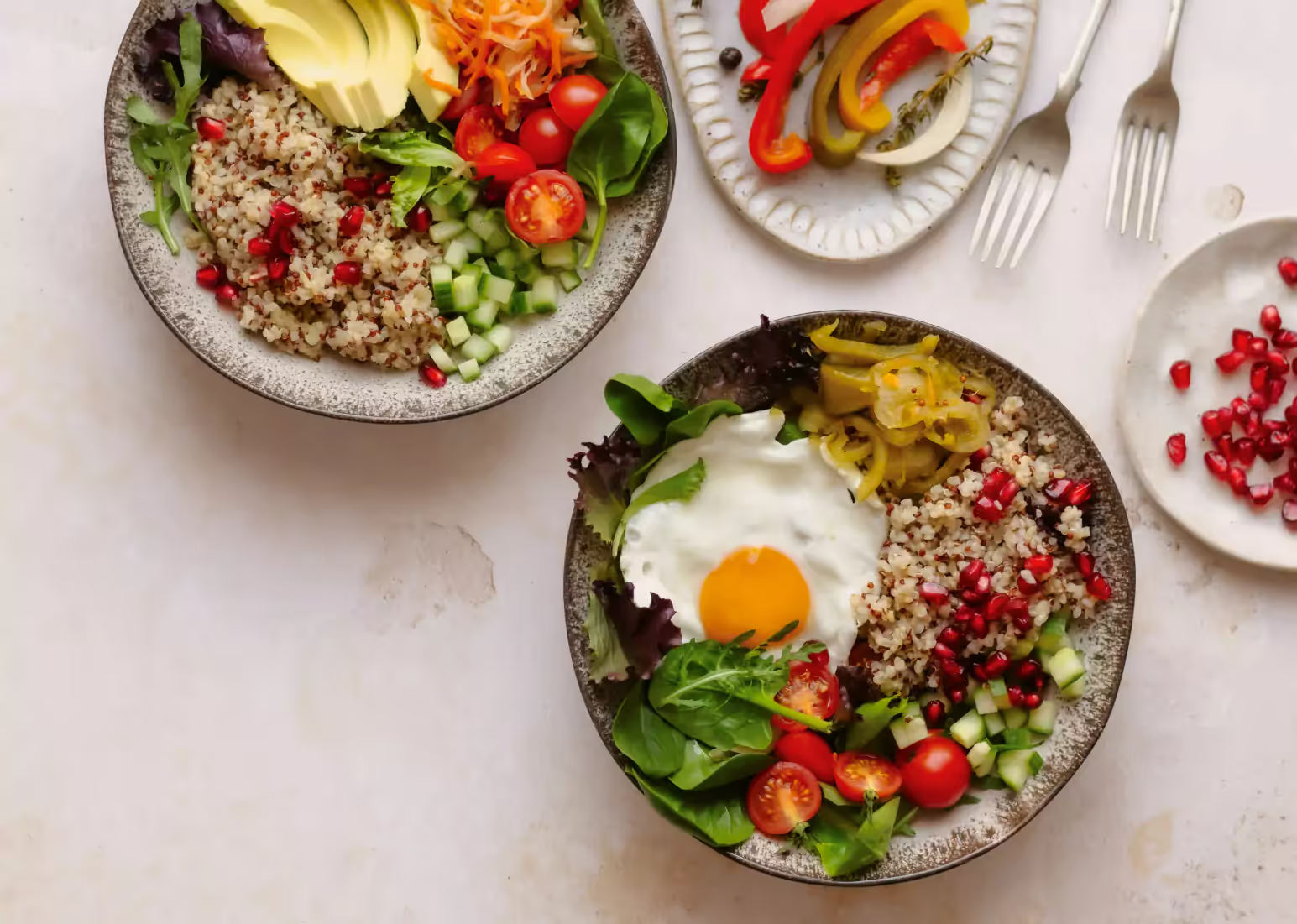
Nutrition plays a pivotal role when it comes to PCOS self-care. Working with a qualified nutritionist to craft a diet full of anti-inflammatory, heart-healthy, glucose-supportive, and fiber-rich foods can have a significant impact on hormonal imbalances that come as a result of PCOS.
Food examples
Making sure you’re following a healthy diet can also help you improve your overall metabolic health, and may even support healthy weight loss. Foods like fatty fish and other lean protein, olive oil, whole grains, sources of antioxidants, legumes, and avocados are just a few examples of the best foods to include in your PCOS diet. Of course, your diet should ideally be further customized to your personal response beyond general recommendations for the best results.
PCOS-Friendly Food Swaps and Hydration
Make the Optimize Your Diet step practical by focusing on simple swaps that reduce refined carbohydrates and by building a steady hydration routine. Use the ideas below to tailor meals to your preferences and tolerance.
If you are considering intermittent fasting or other diet trends, coordinate timing and meal composition with your clinician or a registered dietitian so it fits your needs.
- Limit refined carbohydrates such as white flour products, white rice, sugary drinks like soda and juice, and processed snacks like cakes, cookies, and candy.
- Balance starchy vegetables. Keep portions of white potatoes moderate and pair them with protein and non-starchy vegetables.
- Add an anti-inflammatory variety. Include salmon or other omega-3-rich fish, non-starchy vegetables like escarole and fennel, and choose whole fruit instead of juice.
- Hydrate consistently. Drink water throughout the day. Unsweetened tea or sparkling water can help. Limit sugary beverages.
- Be cautious with fad diets that promote extreme restriction or rapid results. Aim for changes you can maintain.
Glucose stability
Polycystic ovarian syndrome is linked to an increased risk of type 2 diabetes, but staying on top of your diet to keep your glucose stable can improve your insulin sensitivity and support weight management. Take a look at some more nutrition strategies for PCOS recommended by the Nutrisense nutrition team that may help you improve your diet and hold yourself accountable.
2) Get Appropriate Exercise
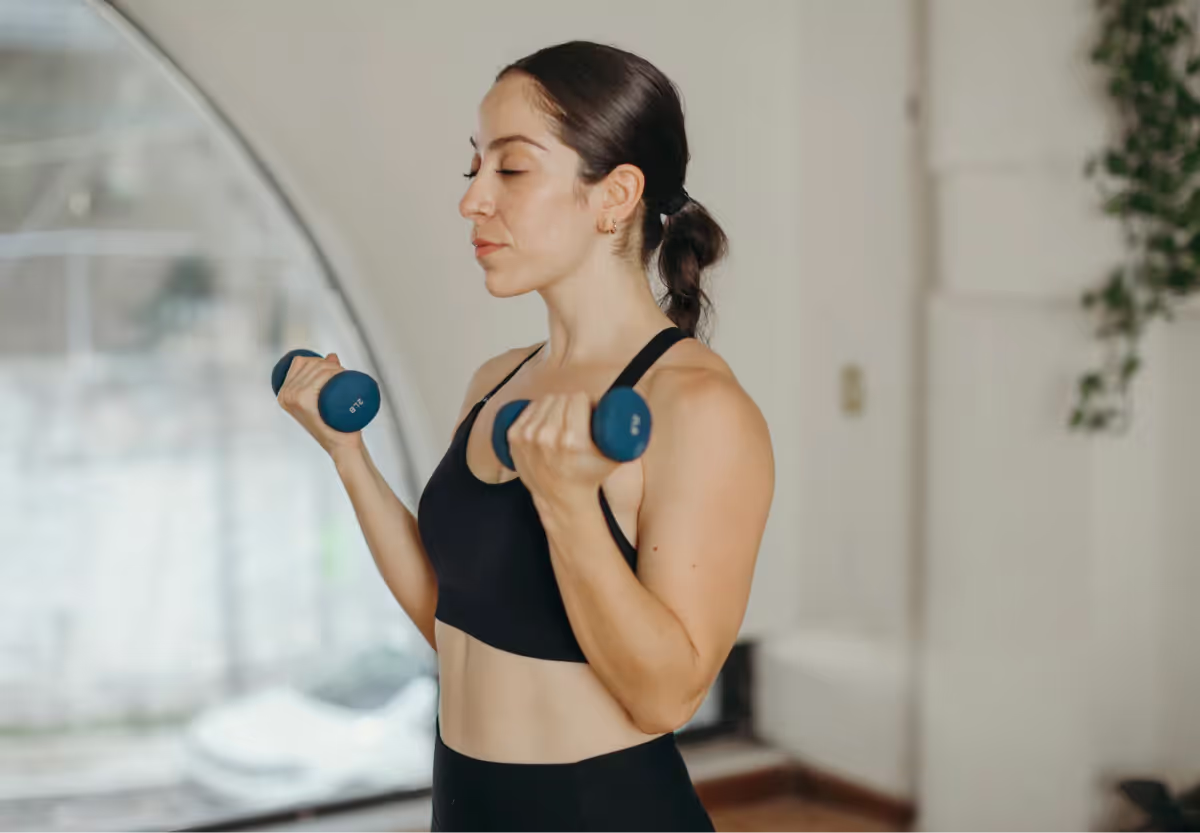
Getting appropriate amounts of physical activity is important. What does “appropriate” mean? It means tailoring activity type and amount to your unique needs and tolerance, including your current health conditions and overall physical conditioning level. The goal is to hit a sweet spot where you are supporting your health without over-stressing your body.
When Your Efforts Don’t Match the Results
You just finished another grueling 60-minute spin class, but instead of feeling energized, you just feel drained. Later, you look in the mirror, notice the tell-tale signs of a flare-up, and remember the scale hasn’t moved in weeks. It’s disheartening to put in so much work without seeing the progress you expect, making you question if you're doing the right thing for your body at all.
Aerobic plus strength
Not only is an appropriate amount of physical activity good for your physical health, but it can also support better mental health. Generally, a mix of moderate-intensity aerobic or cardiovascular exercise and light to moderate strength training could be a good place to start. If you are struggling with chronic fatigue, however, you may need to start at a much slower and gentler pace guided by your medical team.
Watch overtraining
For people with PCOS, exercise can feel frustrating because they can exercise and not see any results, or only slow effects disproportionate to the amount of exercise they do. At the same time, over-exercise can raise stress hormone levels in the body and exacerbate the other symptoms of PCOS.
Weekly cadence
A modified basic regimen of workouts, three to five workouts per week, may be ideal for some adults, depending on their fitness level.
3) Reduce Stress Levels

As we mentioned above, exercise in amounts not appropriate for your body may add more stress. However, when applied in the right context, lower intensity exercises such as zone 2 training or other forms of movement can be a valuable form of stress management. There are many types of stressors and strategies for coping with them.
Hidden stressors
Psychosocial stressors are what most people think of when they think of sources of stress. However, nutrient imbalances, food or supplement intolerances, or even medication intolerances and environmental exposures may also be significant sources of stress and contribute to other women’s health conditions.
Cortisol insight
Stress hormone levels may be elevated in people with PCOS. According to family nurse practitioner Dr. Tara Brandner, "Stress management is paramount for individuals with PCOS. Chronic stress can worsen hormonal imbalances and exacerbate symptoms due to cortisol."
Ways to reduce stress
Some stress reduction tips include:
- Working with a nutrition professional to ensure your nutritional needs are being met, including helping to assess any potential food intolerances or supplement dosage concerns
- Reducing caffeine intake, especially if you are sensitive to it
- Including breathing exercises such as diaphragmatic breathing that may help lower stress hormone levels
- Meditation, which can be helpful as a longer-term reset when practiced regularly
- Improve your sleep hygiene
- Seek social support
4) Improve Your Sleep Hygiene

Poor sleep is a source of stress, so we mentioned it above as well! But it’s so important, we want to give it its own category. Many hormones influence the sleep/wake cycle, so PCOS is unfortunately and unsurprisingly associated with sleep disturbances. These disturbances may include sleep apnea, excessive daytime sleepiness, and various forms of insomnia, like difficulty getting to sleep, difficulty staying asleep, or waking earlier than intended.
Hormone links
PCOS is associated with higher testosterone levels and lower progesterone levels. In women, low progesterone is also associated with sleep irregularities. So, both stress hormones and sex hormones likely have a role to play here. Dr. Brandner says, "Sleep deprivation can disrupt hormone regulation, making PCOS symptoms more challenging to manage. Stress and poor sleep can create a vicious cycle in PCOS."
Glucose connection
Likewise, poor sleep quality is associated with insulin resistance and obesity even in people without PCOS. Sleeplessness can lead to increased stress, which can, in turn, lead to higher glucose levels.
Build Your Sleep Routine
Here are some sleep hygiene tips to try out:
- Consciously wind down your day before trying to sleep
- Create a relaxing, dark space to help you sleep better
- Avoid a high-carb meal before bedtime
- Make sure your sleep is free from interruptions like notifications or work obligations
- Properly time your food and coffee intake so as not to interfere with sleep
Break Your
Weight Loss Barrier
Download our FREE guide to find out:
- Reasons you’re not losing weight
- The role of blood glucose on weight loss
- Why you need a personalized approach
- Helpful tips from expert dietitians
Frequently Asked Questions
Does drinking water help with PCOS?
Yes. Proper hydration is an essential aspect of PCOS self-care that supports metabolic processes and helps regulate energy levels. Consistently drinking water throughout the day can assist with digestion and overall well-being. Tracking your individual response with a Registered Dietitian can help you optimize your hydration habits.
What are the best self-care routines for PCOS weight loss?
The most effective self-care routines for PCOS weight loss combine a glucose-supportive diet with a mix of aerobic and strength training. Avoiding over-exercise that spikes cortisol helps stabilize your endocrine system and promotes fat loss. A Registered Dietitian can provide personalized strategies based on your unique metabolic data.
What are some effective PCOS self-care tips?
Effective PCOS self-care tips include optimizing your sleep hygiene, reducing dietary stressors, and incorporating consistent physical activity. These habits help regulate the sleep-wake cycle and manage the chronic fatigue often associated with polycystic ovary syndrome. Observing your 24/7 data can reveal how these lifestyle changes impact your individual glucose response.
Go Beyond Glucose Data with Nutrisense
Your glucose can significantly impact how your body feels and functions. That’s why stable levels are an important factor in supporting overall wellbeing. But viewing glucose isn't enough. Nutrisense, you’ll be able to learn how to use your body's data to make informed lifestyle choices that support healthy living.
One-to-one coaching
Sign up to access insurance-covered video calls to work with a glucose expert: a personal registered dietitian or certified nutritionist who will help tailor your lifestyle and diet to your goals.
Monitor and measure what matters
With the Nutrisense CGM Program, you can monitor your glucose with health tech like glucose biosensors and continuous glucose monitor (CGM)s, and analyze the trends over time with the Nutrisense App. This will help you make the most informed choices about the foods you consume and their impact on your health.
Find your best fit
Ready to take the first step? Start with our quiz to find the right Nutrisense program to help you take control.
Go Beyond Glucose Data with Nutrisense
Your glucose can significantly impact how your body feels and functions. That’s why stable levels are an important factor in supporting overall wellbeing. But viewing glucose isn't enough. With Nutrisense, you’ll be able to learn how to use your body's data to make informed lifestyle choices that support healthy living.
1:1 guidance that fits your day
Sign up to access insurance-covered video calls with a glucose expert: a personal registered dietitian or certified nutritionist who will help tailor your lifestyle and diet to your goals.
Monitor and measure what matters
With the Nutrisense Program, you can monitor your glucose with health tech like glucose biosensors and continuous glucose monitors (CGMs), and analyze the trends over time with the Nutrisense App. This will help you make the most informed choices about the foods you consume and their impact on your health.
Start your personalized plan
Ready to take the first step? Start with our quiz to find the right Nutrisense program to help you take control.
Kara Collier is a registered dietitian nutritionist and certified nutrition support clinician who is passionate about reshaping how we approach prevention, behavior change, and metabolic health. A Forbes 30 Under 30 honoree, she’s helped over 150,000 people improve their metabolic health using tools like continuous glucose monitors and behavior-focused nutrition strategies. Kara has been featured by Forbes, UC Berkeley, and HLTH, and has appeared on top podcasts like Mind Pump and The Genius Life.
Break Your
Weight Loss Barrier
Download our FREE guide to find out:
- Reasons you’re not losing weight
- The role of blood glucose on weight loss
- Why you need a personalized approach
- Helpful tips from expert dietitians