12 Snacks That Won’t Raise Your Blood Sugar


Key Takeaways
- Snacks for steady glucose: Options that won't raise your blood sugar prioritize protein, healthy fats, and fiber to provide sustained energy without a spike.
- Beef jerky for diabetes: High-protein jerky generally does not spike glucose, making it a viable option if you check the label to avoid added sugars.
- Cottage cheese and insulin: Full-fat cottage cheese provides a slow-digesting mix of protein and fat that typically minimizes significant glucose or insulin spikes.
- Snacks for steady glucose: Options that won't raise your blood sugar prioritize protein, healthy fats, and fiber to provide sustained energy without a spike.
- Beef jerky for diabetes: High-protein jerky generally does not spike glucose, making it a viable option if you check the label to avoid added sugars.
- Cottage cheese and insulin: Full-fat cottage cheese provides a slow-digesting mix of protein and fat that typically minimizes significant glucose or insulin spikes.
Break Your
Weight Loss Barrier
Download our FREE guide to find out:
- Reasons you’re not losing weight
- The role of blood glucose on weight loss
- Why you need a personalized approach
- Helpful tips from expert dietitians

Snacks that won’t raise your glucose are typically rich in protein, healthy fats, and fiber, like hard-boiled eggs, nuts, or avocados. These foods provide steady energy and help you feel full without the crash from high-carb options. This list offers convenient ideas to support stable glucose levels.
Key Takeaways:
- Consider the Glycemic Load (GL) of your snack, as pairing a carbohydrate with protein or fat can help lessen its impact on glucose.
- See how these snacks affect your personal glucose levels by logging them in the Nutrisense app.
- The Nutrisense program, including dietitian support, which may be covered by insurance, is currently available in the US.
What to Know about Low-Glucose Snacks?
Finding healthy snacks can be a challenge, especially when you’re watching your glucose. It can therefore be helpful to have a short list of high-quality snacks that tend not to spike your glucose levels.
Fewer Snacks
In general, we would advise most people to stick to a minimum of snacks and instead focus on a small number of larger meals throughout the day.
Fasting Window
This way, your body can spend some time in a “fasting state,” which much emerging nutritional science supports is part of a healthful feeding pattern.
Real-life Exceptions
That said, situations will inevitably arise in which you will need or want a snack, such as traveling, adjusting to a new routine, adapting to unexpected changes in plans, and so on.
We feel it’s better to be prepared and have a set of quick and nutritious foods ready to go, such that when you look for a snack – and inevitably, we all do – it’s one that has a minimal impact on your glucose levels.
Why Choose Snacks That Will Not Raise Glucose Levels?
When we look for a snack, most of us tend to look for something that picks up our energy levels immediately, like a sports drink, chips, caffeinated soda, or a candy bar.
The Mid-Afternoon Snack Dilemma
It’s 3 p.m. and your energy is tanking. The vending machine down the hall is calling your name, but you know that quick fix will only lead to a glucose spike and another crash.
Instead of repeating that frustrating cycle, you reach for the almonds or string cheese you packed this morning. This small choice helps you power through your day with steady energy, feeling in control, and confident that you're making progress.
Spike and Crash
Although this strategy will doubtlessly have an immediate and dramatic effect, that effect is often predicated on a spike in glucose, which can have harmful side effects if persistently elevated. Also, the spike in glucose will lead to a spike in insulin, the hormone the body uses to transport glucose into cells, and the result will be a sugar crash with the attendant lower energy levels.
Low GI Strategy
In the most practical terms, looking for a quick sugar rush will not only lead to a sugar crash, but can carry potentially serious consequences if done too often – one reason we discourage snacking.
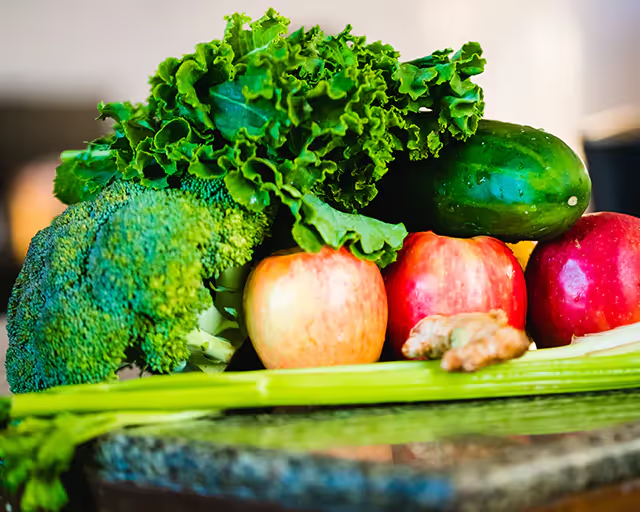
However, there is an exception to every rule, and snacks low in sugar and with a low glycemic index (GI) can have a minimal impact on your glucose. Taking this idea to its logical conclusion, one sugar spike and crash would leave a person in the exact same situation as before, looking for an energy bridge to the next meal.
So, we can have a situation in which someone quickly piles on the sugar and calories to stabilize his or her glucose for the required period. Furthermore, a sudden crash in glucose can cause a hunger response, so the person will be motivated to eat even more snacks, enlarging the spikes and worsening the problem, as well as leading to more food consumption than may have originally been intended.
Insulin and Hunger
This cycle of glucose spike and insulin spike, followed by glucose crash and hunger signals, can have dramatic health consequences that can be difficult to reverse. It’s worth noting that in each of these cases, the act of snacking is done once, so it would take most people years of bad habits to result in severe negative health outcomes.
All the same, the single best way to get rid of a bad habit is to replace it with a good one, and it’s never too early or too late to get into the healthful practice of consistently eating well.
Among the most feared consequences of being overweight or obese is insulin resistance, in which the body loses some of its ability to respond to insulin, and thereby traps abnormally high levels of glucose in the blood.
Which Snacks Have Minimal Impact On Glucose?
Snacks that keep glucose steady share a simple pattern. Choose protein-forward options with some fiber and modest carbs, and skip heavy processing. Use the ideas below as a starting point, then adjust portions and timing based on your day.
Protein and Fullness
Protein is generally considered the most filling macronutrient, or in other words, the part of the food that will make you feel satisfied for the longest amount of time – an effective energy bridge to the next meal. Even better, it has the most even and least extreme effect on glucose levels. So, you may notice a theme among these snack options: most are high in protein, some are high in protein and fat, and a few are just high in fat, but the key idea is that all have manageable levels of carbohydrates, which ultimately become a quick source of glucose in the blood.
Complex Carbs Approach
Among carbohydrates, we would recommend, in addition to low overall levels, a bias towards complex carbs that take longer to digest, all to minimize the glucose spike as much as possible.
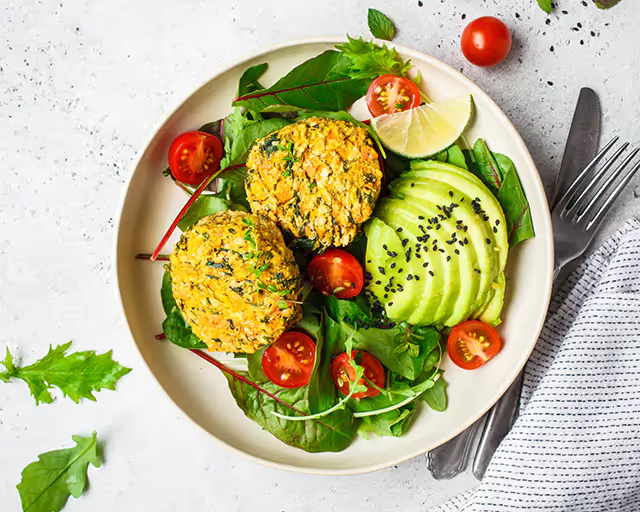
Nutrient-Dense Choices
In general, you would also want to choose snacks that are nutrient-dense (put differently: as many nutrients per calorie as possible, and often this means choosing snacks in their whole food state. Processed food as a category tends to be calorie-dense and nutrient-poor. This is because processing typically involves discarding indigestible or simply unappealing parts of food from a pure taste perspective.
Our digestive system, unfortunately, has yet to catch up with the highly processed food culture we find ourselves living in, so this can cause short-term derangements in glucose levels as well as deprive your body of the balance between nutrients and calories it has come to expect over tens of thousands of years.
Portable and Storable
Although some of these will require some basic meal preparation, the idea is that the finished snacks will be stable, storable, and portable – so that at the exact moment a snack craving hits, it will be as convenient as a candy bar or can of soda.
Wherever possible, they will also be made from raw or unprocessed ingredients for the reasons stated above. Here then is a short list of snacks that can be prepared in advance or eaten as they are purchased, with a focus on both nutrient density and the lowest possible impact on your glucose levels.
More Low-Glucose Snack Ideas and Smart Pairings
Pair carbohydrate foods with protein, fat, and fiber, and keep portions modest to keep glycemic load in check. These habits can help smooth post-meal glucose responses. See the ADA and EASD consensus for clinical details.
Use the ideas below to add variety with whole foods and plenty of flavor.
- Turkey or chicken roll-ups with avocado and leafy greens
- Celery sticks with peanut butter, topped with pumpkin seeds
- Olive and feta snack plate with cucumber, cherry tomatoes, fresh garlic, and herbs
- Roasted chickpeas seasoned with paprika and cumin
- Red lentil crackers topped with avocado mash, lemon, and chili flakes
- Sardines on cucumber slices with dill and lemon
- Mini barley and veggie salad cups with parsley, olives, and a splash of apple cider vinegar
- Strawberries or raspberries with ricotta and chopped walnuts
- Sour cherries with a small handful of peanuts
Hard Boiled Eggs
- The incredible, edible, and protein-dense egg can be prepared ahead of time with ease. The most stable preparation of this snack is probably simply to boil them, then peel them wherever you want to eat. If you have a kitchen available, they can be quickly garnished with your favorite seasonings - salt, pepper, everything but the bagel seasoning, and hot sauce are some of our favorites.
Yogurt Bowls
- Probably the best base for a yogurt bowl for our priorities would be a thick, full-fat, and unsweetened Greek yogurt (which strains out the lactose and whey, but on balance has more protein than normal yogurt because the resulting yogurt is much denser). Mix in some flax seeds, nuts, spices, or a reasonable quantity of blueberries or blackberries, and this nutrient-packed dish is ready to eat.
Cottage Cheese Bowls
- Full-fat cottage cheese is the substitute for yogurt in this recipe, so the usual suspects for mix-ins would still apply – flax seeds, cinnamon, or berries.
Avocado
- Although perhaps the most delicious preparation is guacamole (and you can substitute the chips with carrots or other crunchy vegetables), one advantage of whole avocados is that you can store them outside a refrigerator. Simply cut one in half and season with salt, pepper, lemon juice, or hot sauce for a high-fiber, low-carbohydrate snack.
Chia Pudding
- Three tablespoons of chia seeds mixed with half a cup of unsweetened almond milk and cooled overnight in the refrigerator will yield a savory and satisfying treat. Cinnamon, almond butter, or coconut flakes would be ideal toppings.
Edamame
- Whole soybeans in the pod are one of the most stable, least fussy options on this list – simply peel and eat for a high-protein, whole food energy source. These can also be found pre-peeled and frozen.
Hummus
- Hummus is a dip made from cooked, ground chickpeas, tahini, lemon juice, and garlic, and pairs exceptionally well with fresh sliced cucumbers or snap peas. Be sure to inspect the nutritional information to ensure it meets your goals.
Smoked Salmon
- Layer smoked salmon and cucumber slices with a dollop of unsweetened Greek yogurt and chopped dill for a high-protein, flavorful tzatziki upgrade.
Beef Jerky
- Beef jerky can be a great option for a shelf-stable, high-protein snack. However, many large brands also add sugars to their beef jerky, so be sure to inspect the ingredients list on the nutrition label.
Protein “Ice Cream”
- Combine ice, half a cup of milk, a scoop of unsweetened protein powder, and a tablespoon of either cacao powder or espresso powder (or both) with a pinch of salt in a blender, then add fresh fruit or nuts for a surprisingly satisfying treat.
Tuna or Salmon Salad
- Combine canned tuna or salmon with unsweetened full-fat Greek yogurt, sliced tomatoes, onion, and a splash of extra virgin olive oil (if the can doesn’t have it) for a savory, protein-rich, and nutrient-dense snack. You can eat this by itself, or scoop it with some cucumbers or celery!
Mozzarella Cheese
Combine fresh basil, a cherry tomato, and a mozzarella ball on a toothpick for a fun and no-mess version of caprese, good for any time of day.
Break Your
Weight Loss Barrier
Download our FREE guide to find out:
- Reasons you’re not losing weight
- The role of blood glucose on weight loss
- Why you need a personalized approach
- Helpful tips from expert dietitians
Frequently Asked Questions
Is beef jerky good for diabetics?
Yes, beef jerky is generally a good snack for managing diabetes. It is high in protein and low in carbohydrates, which helps provide sustained energy without causing a significant glucose spike. However, it is crucial to check the nutrition label for hidden added sugars or excessive sodium before eating.
Does cottage cheese spike insulin?
No, full-fat cottage cheese typically does not cause a significant insulin or glucose spike. The combination of slow-digesting casein protein and dietary fat slows stomach emptying, resulting in a gradual release of energy. Pairing it with high-fiber foods like berries or flax seeds can further stabilize your individual glucose response.
What foods do not spike insulin?
Foods that do not spike insulin are primarily those high in protein, healthy fats, and fiber. Options like hard-boiled eggs, almonds, and avocados digest slowly and lack the refined carbohydrates that trigger rapid insulin release. Choosing these nutrient-dense whole foods helps maintain steady energy levels between meals.
Go Beyond Glucose Data with Nutrisense
Your glucose can significantly impact how your body feels and functions. That’s why stable levels are an important factor in supporting overall wellbeing. But viewing glucose isn't enough. Nutrisense, you’ll be able to learn how to use your body's data to make informed lifestyle choices that support healthy living.
One-to-one coaching
Sign up to access insurance-covered video calls to work with a glucose expert: a personal registered dietitian or certified nutritionist who will help tailor your lifestyle and diet to your goals.
Monitor and measure what matters
With the Nutrisense CGM Program, you can monitor your glucose with health tech like glucose biosensors and continuous glucose monitor (CGM)s, and analyze the trends over time with the Nutrisense App. This will help you make the most informed choices about the foods you consume and their impact on your health.
Find your best fit
Ready to take the first step? Start with our quiz to find the right Nutrisense program to help you take control.
How Can Nutrisense Help You Use Your Glucose Data?
Your glucose can significantly impact how your body feels and functions. That’s why stable levels are an important factor in supporting overall wellbeing. But viewing glucose isn't enough. With Nutrisense, you’ll be able to learn how to use your body's data to make informed lifestyle choices that support healthy living.
Dietitian Support
Sign up to access insurance-covered video calls with a glucose expert: a personal registered dietitian or certified nutritionist who will help tailor your lifestyle and diet to your goals.
App and Biosensors
With the Nutrisense Program, you can monitor your glucose with health tech like glucose biosensors and continuous glucose monitors (CGMs), and analyze the trends over time with the Nutrisense App. This will help you make the most informed choices about the foods you consume and their impact on your health.
Get Started
Ready to take the first step? Start with our quiz to find the right Nutrisense program to help you take control.
Kara Collier is a registered dietitian nutritionist and certified nutrition support clinician who is passionate about reshaping how we approach prevention, behavior change, and metabolic health. A Forbes 30 Under 30 honoree, she’s helped over 150,000 people improve their metabolic health using tools like continuous glucose monitors and behavior-focused nutrition strategies. Kara has been featured by Forbes, UC Berkeley, and HLTH, and has appeared on top podcasts like Mind Pump and The Genius Life.
Break Your
Weight Loss Barrier
Download our FREE guide to find out:
- Reasons you’re not losing weight
- The role of blood glucose on weight loss
- Why you need a personalized approach
- Helpful tips from expert dietitians